


Bulk Fermentation by Temperature: Understanding Dough Temperature and Rise Times
- Jan 18
- 3 min read
Bulk fermentation is a crucial step in bread making that shapes the final texture, flavor, and structure of your loaf. Yet, many bakers struggle with knowing how long to let their dough rise and at what temperature. This post breaks down the science and practical tips behind bulk fermentation, focusing on how dough temperature affects rise times and the key differences between fermenting lean and enriched doughs.
Whether you’re baking a simple baguette or a rich brioche, mastering bulk fermentation will elevate your baking results.

What Is Bulk Fermentation and Why It Matters
Bulk fermentation is the first long rise after mixing your dough, before shaping it into individual loaves or rolls. During this stage, yeast ferments the sugars in the flour, producing carbon dioxide gas that causes the dough to expand. This process develops flavor, improves gluten structure, and sets the foundation for the bread’s crumb and crust.
Skipping or rushing bulk fermentation often leads to dense, bland bread. On the other hand, over-fermenting can weaken the dough, causing it to collapse or develop off-flavors. Understanding how temperature influences fermentation speed and how different dough types behave is key to timing this step correctly.
Bulk Fermentation Rising Guide by Temperature
Yeast activity depends heavily on temperature. Warmer dough speeds up fermentation, while cooler dough slows it down. Here’s a general guide to how temperature affects bulk fermentation times:
Dough Temp Bulk Fermentation Time
after mixing
65-66F (18-19C) | ~16-17 hours |
67-68F (19.5-20C) | ~14-15 hours |
69-70F (20.5-21C) | ~12-13 hours |
71-72F (21.5-22C) | ~10-11 hours |
73-74F (22.5-23C) | ~8-9.5 hours |
75-76F (24-24.5 C) | ~7-8 hours |
77-78F (25-25.5C) | ~6-6.5 hours |
79-80F (26-27C) | ~5-6 hours |
To measure the temperature of my dough-- right after mixing and before stretch and folds--I place a thermometer into the center of my dough. You can use just a standard meat thermometer. Take that temperature and refer to the chart above for bulk fermentation time.
Maintaining consistent dough temperature is essential. Bakers often use temperature-controlled proofing boxes or adjust water temperature during mixing to hit the target dough temperature.
Practical Tips for Managing Bulk Fermentation
Measure Dough Temperature: Use a thermometer to check dough temperature right after mixing. Adjust water temperature to hit your target.
Watch Dough, Not Clock: Rise times vary with flour type, humidity, and yeast activity. Look for dough volume doubling and a slightly domed surface.
Use a Proofing Box or Warm Spot: Keep dough at a stable temperature to avoid uneven fermentation.
Handle Enriched Dough Gently: Avoid overmixing or overproofing enriched doughs as they are more delicate.
Cold Bulk Fermentation: For both lean and enriched doughs, fermenting in the fridge overnight slows yeast activity and enhances flavor.
Humidity: If you live in a humid region. I would suggest taking an hour off of the bulk fermentation times above to start.
Example: Bulk Fermentation for a Classic Sourdough Loaf vs Brioche Rolls
Standard Sourdough Loaf (Lean Dough): Mix dough bulk ferment at room temperature (80°F) for 5 hours. Place in fridge to cold proof for 8-12 hours. Bake.
Brioche Rolls (Enriched Dough): Mix dough and bulk ferment at room temperature (80°F) for 5 hours. Place in fridge to cold proof for 8-12 hours. You will now shape your dough and allow to rise another two hours until doubled in size. Enriched dough typically takes longer to ferment, so this extra rising is necessary. Bake.
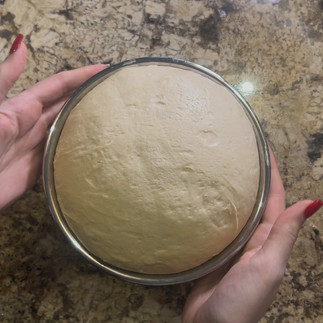
Example of dough that has finished bulk fermenting:
The dough is jiggly, domed, not sticky to touch, and pulls away from the edges cleanly & easily, may have a couple bubbles on top.




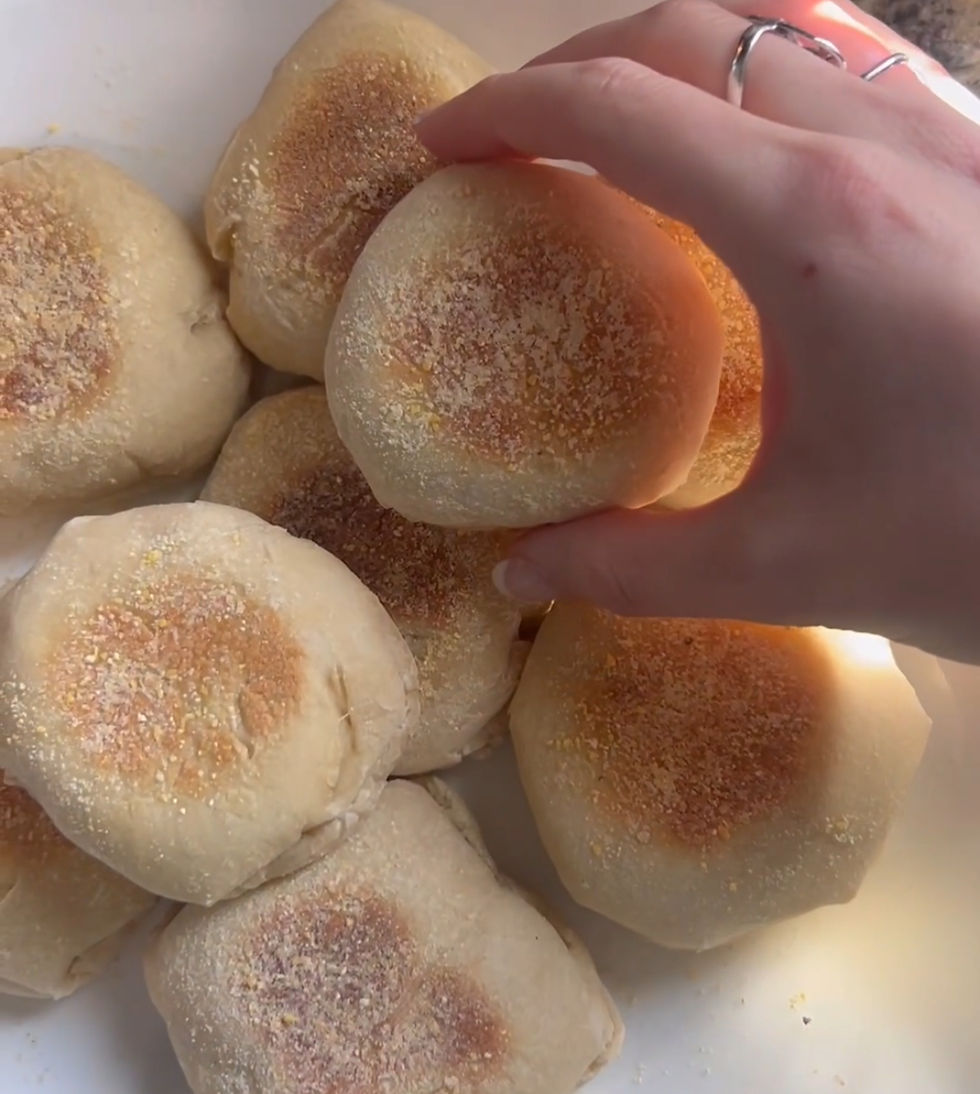
Example of Over-proofed dough:
The dough is very sticky, has many bubbles on top, it is flatter, and it sticks to the sides of your bowl.



Comments